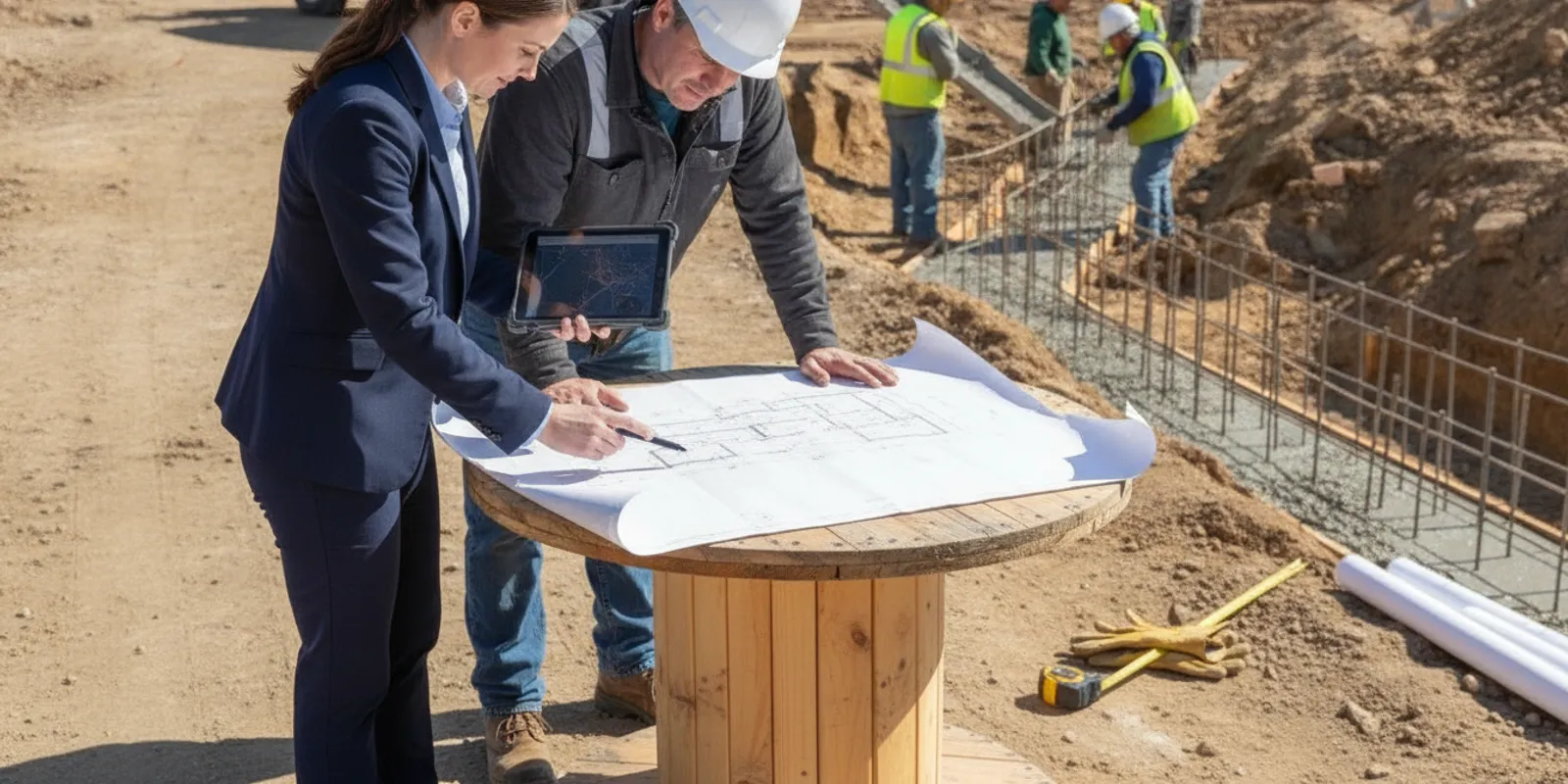
Planning an NYC TR5 vs EN2 inspection starts with a basic distinction: TR5 concerns deep-foundation work, while EN2 concerns energy-code analysis. They are different workstreams, with different documents and timing. A project may need one, both, or neither depending on its approved plans and inspection schedule. Use the separate checklists below to organize the right question and handoff.
Ask about your inspection scope
What does each inspection address?
TR5 is associated with deep foundations, including pile-related work. Its planning follows the foundation design, construction sequence, and applicable project inspection requirements. EN2 is an energy-code analysis inspection. It follows a different set of project documents and questions. Confirm the precise scope from approved plans, filings, and the project inspection schedule rather than inferring it from a label alone.
This distinction helps project leads assign tasks. The deep-foundation team coordinates observation around physical work that may advance or become inaccessible. The energy-code workstream identifies the applicable energy documents and the current design assumptions to be reviewed. Even if one owner or contractor coordinates both, keep the requests and document sets distinct.
| Planning point | TR5 deep-foundation work | EN2 energy-code analysis |
|---|---|---|
| Primary focus | Deep-foundation construction and required observations | Energy-code analysis and relevant project documentation |
| Preparation | Foundation plans, sequence, work status, access, and milestone timing | Energy documents, approved design information, scope, and review questions |
| Timing concern | Coordinate before the relevant work stage is complete or concealed | Allow time to assemble and clarify current energy documentation |
| Useful handoff | State what foundation activity is planned and when | Identify applicable documents and the specific analysis question |
How do project documents establish the scope?
Start with the records that govern the work, not with assumptions based on a short service name. Review the approved drawings, filing information, inspection schedule, and any revisions issued since the original coordination. Note which sheets or documents support the requested scope. If those records appear inconsistent, route the question to the responsible design professional or filing contact before scheduling on the basis of a guess.
For TR5, locate the foundation details and identify the elements and operations that are relevant to the planned deep-foundation work. A drawing index can help the site team distinguish foundation sheets from structural or general notes. For EN2, identify the current energy analysis and supporting design information. Record the revision date and how later design changes affect the documents being sent for review.
Maintain a simple revision log: document name, sheet or section, date, current status, and who supplied it. This is especially useful when a contractor’s field set, an architect’s updated set, and an earlier filing copy circulate at the same time. The log does not decide which document governs; it makes the discrepancy visible so the appropriate professional can resolve it.
How should a team prepare for TR5?
Begin with the foundation drawings and project inspection schedule. Mark the applicable deep-foundation elements and map the construction sequence. The person coordinating the request should know what work is planned, what has already occurred, and what milestone is next. That avoids a request arriving after an observation opportunity has passed.
- Gather current foundation plans. Use the set the site team is working from and flag revisions that affect the work.
- Identify the operation. State whether piles or another deep-foundation element are involved, and describe the planned activity plainly.
- Share the sequence. Give expected dates or stages and flag any portion that may become inaccessible or concealed.
- Confirm site readiness. Provide the site contact, access instructions, location, and any entry or safety requirements.
- Raise changes early. If field conditions differ from the submitted information, ask the responsible project professionals to clarify scope.
Make the request concrete: identify the element or area, the operation, and the anticipated observation window. “Foundation inspection” may not communicate the particular activity that needs coordination. Include a contact who can answer field questions and can report if the sequence changes. If work moves forward or pauses, send the update promptly rather than allowing the original schedule to stand by default.
Keep a short record after coordination: date requested, planned activity, documents shared, contact, and any follow-up needed. This record helps a new superintendent or project coordinator understand the status without reconstructing it from a long message thread. For service context, see the TR5 pile-driving inspection information; confirm the actual project requirement against its approved information.
How should a team prepare for EN2?
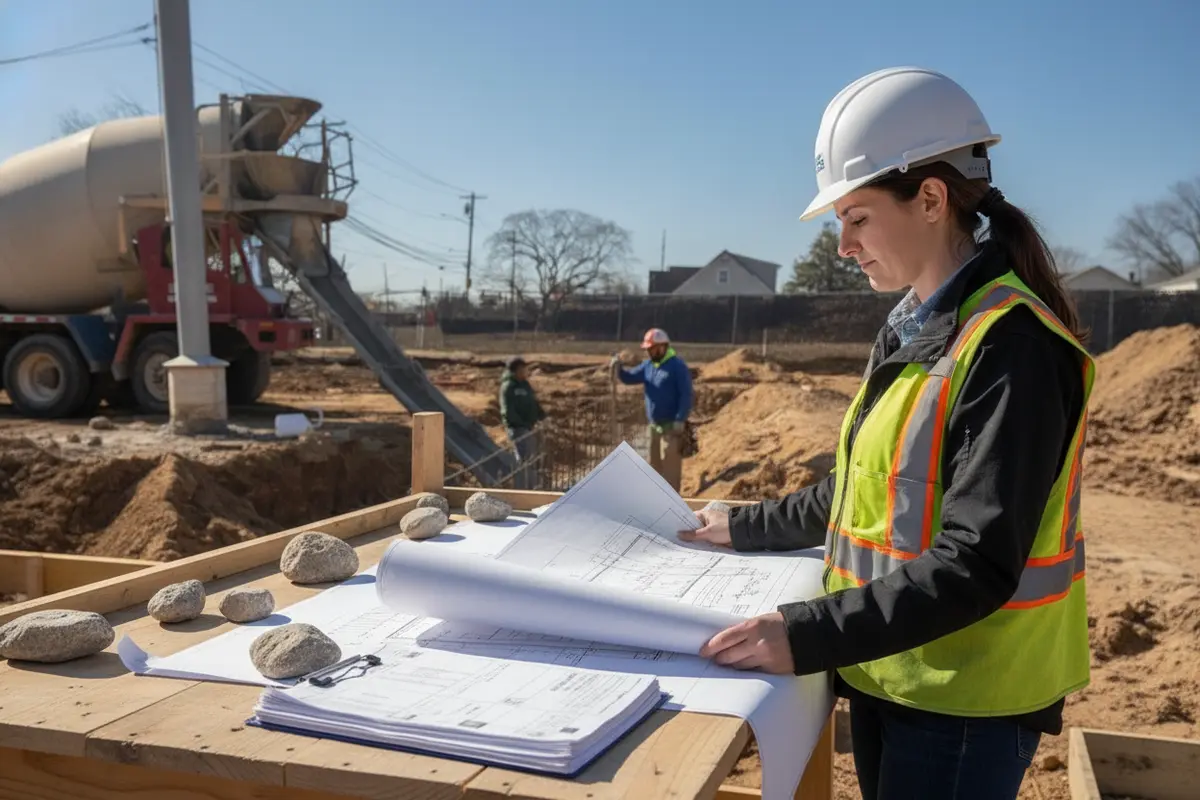
Keep EN2 preparation centered on the energy-code analysis rather than construction observation for deep foundations. Gather the relevant energy documentation and establish which version reflects the current project design. If revisions are underway, identify them and distinguish current documents from superseded material.
- Collect the energy documents. Assemble the current analysis and supporting material used for the project’s energy-code approach.
- Describe the project scope. Summarize the work included and identify the building area or systems reflected in the project documents.
- Track revisions. List recent design changes and point to the updated documents that address them.
- Separate facts from questions. State what the documents show, then list points that need professional interpretation.
- Name the decision-maker. Identify who can answer design questions and provide clarifications.
A useful EN2 request identifies the project, summarizes the requested analysis, references the current documents, and asks what else is needed. Avoid sending a stack of unlabeled files. A one-page index with file names, dates, and revision status lets reviewers and project staff work from the same basis.
For example, if an energy document predates a design revision, do not silently pair it with newer drawings and present the package as a single settled set. Flag the mismatch and ask which current information is required. The design professional can explain the intended energy-code approach; the coordinating team can then circulate an agreed, clearly labeled package. The special inspection FAQ is a starting point for general questions, while project-specific interpretation belongs with the responsible professionals.
How do timing and readiness differ?
TR5 planning is closely tied to the construction sequence. Physical work may proceed quickly, and a later visit may not provide the same chance to observe a particular stage. Coordinate around the planned activity, confirm access, and communicate schedule changes as soon as the site team knows about them. If the sequence is uncertain, make that uncertainty explicit instead of promising a date the site cannot support.
EN2 preparation is document-centered. Confirm that the analysis corresponds to the current design and that relevant supporting material is available. If design updates remain in progress, label the package as preliminary and ask what version should be reviewed. Avoid using a calendar date as a substitute for document readiness.
Both workstreams benefit from a readiness check before making a request: confirm scope, current information, responsible contact, and open questions. The FAQ on inspection questions offers general context, but the project records determine what applies to a particular job.
What should each handoff include?
A strong handoff is brief, organized, and specific. Include the project address and contact, requested scope, relevant plans or documents, current revisions, and the next milestone. State the decision or confirmation needed. That gives the recipient enough context to identify missing information without mixing unrelated scopes.
- TR5 handoff: foundation plan reference, element or area, planned work and milestone, current site status, access contact, and field changes requiring clarification.
- EN2 handoff: energy analysis and supporting documents, revision dates, scope summary, design contact, and the exact question or next decision.
Here is a practical example. A contractor expects pile-related activity early next week, but the site date may shift. The TR5 note should name the relevant area, describe the anticipated operation, give the best current window, identify the site contact, and promise an update if the sequence changes. Separately, the EN2 note should identify the current energy analysis, list the drawing revisions it accompanies, and ask whether additional supporting material is needed. One project overview can connect both notes, but each request should have its own action and attachment list.
Use separate email subjects, folder labels, or request notes for each scope. A shared project folder is helpful when documents are clearly named, but avoid one undifferentiated attachment bundle. If both workstreams have open questions, assign an owner and a due date to each answer so one does not disappear behind the other.
What information should be checked before sending?
Before sending either request, perform a quick completeness review. Check that the project identifier and address are consistent across the message and attachments. Make sure the drawing or analysis revision is visible. Confirm that the person receiving the request can reach someone authorized to clarify the plans or site conditions.
- Write the requested scope in one sentence.
- List the documents attached and their dates or revisions.
- State what is scheduled next, or what decision is needed.
- Name the person who can resolve questions.
- Ask for confirmation of any missing item rather than assuming the package is complete.
This review is useful when a project has multiple consultants or a change in site leadership. It also helps distinguish a request to coordinate service from a request for design advice. Where design interpretation is needed, the appropriate project professional should resolve it; a concise inspection handoff should not imply that the inspection team is revising or approving the design.
What mistakes can delay coordination?
- Using a broad label without details. “Foundation inspection” or “energy review” may not explain the intended scope.
- Waiting until work is complete. Late notice can remove a practical opportunity to observe a relevant field stage.
- Sending outdated documents. Identify current revisions and mark superseded material.
- Combining unrelated questions. Keep TR5 field coordination separate from EN2 analysis requests.
- Assuming both are required. Confirm each need from project information and the applicable schedule.
- Leaving no owner for answers. Name the person who can resolve design or site questions.
When scope is uncertain, gather the relevant project records and ask a precise question before making assumptions. You can review the inspection service catalog to see service categories, then confirm the project-specific need with the responsible professional. A catalog description is useful for orientation, not a substitute for approved documents or a project determination.
How can teams handle a change in sequence or design?
Changes are common, but their effects are different in these two workstreams. A foundation sequence can shift because of weather, equipment availability, access, or an unexpected site condition. An energy package can change because a design decision alters the documents or assumptions on which the analysis depends. In either case, update the record instead of relying on an old request as if it still described the job.
For a field change, note what was originally expected, what has changed, which area or operation is affected, and the next realistic window. Send that information to the project contacts who coordinate the observation and the professional responsible for resolving field or design questions. Do not describe an unconfirmed date as final. If the change affects work that may be concealed, raise it before the opportunity passes.
For a document change, identify the revised sheet or analysis, its date, and the earlier version it replaces. Explain whether the change is relevant to the open EN2 question, and ask whether the submitted package should be updated or supplemented. Keep superseded files clearly labeled rather than deleting the history; a simple record helps everyone see which version was considered. This is particularly helpful when several consultants transmit separate updates at different times.
After the change is communicated, close the loop. Record who owns the next action, what response is needed, and when the team will check status. A short written confirmation reduces the risk that one workstream proceeds on stale information while the other is being clarified. If the change raises a code interpretation question, refer it to the appropriate design or filing professional rather than making an assumption in the coordination note.
How can the project team use official code information?
When a question turns on which code provisions or inspection responsibilities apply, consult official city materials rather than relying on a copied summary. The New York City Department of Buildings provides 2022 Construction Codes information, including access to the city’s code materials. Use the applicable official text and project filings to verify the requirement, and ask the design professional or filing representative to resolve any project-specific interpretation. A code reference provides the governing source; it does not by itself determine the scope of a particular inspection request.
Frequently Asked Questions
Does EN2 replace TR5?
No. They address different subjects: TR5 relates to deep-foundation observations, while EN2 relates to energy-code analysis. The project’s approved information determines which requirements apply.
Can one request cover both?
You can communicate about both under one project, but identify the requested scopes, timing, and documents separately. This helps prevent a foundation milestone from being confused with an energy-document review.
What if the drawings change after coordination?
Tell the responsible project contacts promptly, identify the revised sheets or documents, and ask whether the change affects the planned scope or timing.
What should I send first?
For TR5, start with current foundation plans and the upcoming work stage. For EN2, start with the current energy analysis and supporting documents, with revisions identified.
Discuss your project documents
Keep the requests distinct
Separate TR5 site timing from EN2 document preparation, confirm each scope against current project information, and make the next action clear in every handoff. That simple discipline helps your team coordinate the right question with the right materials.
Leave a Reply