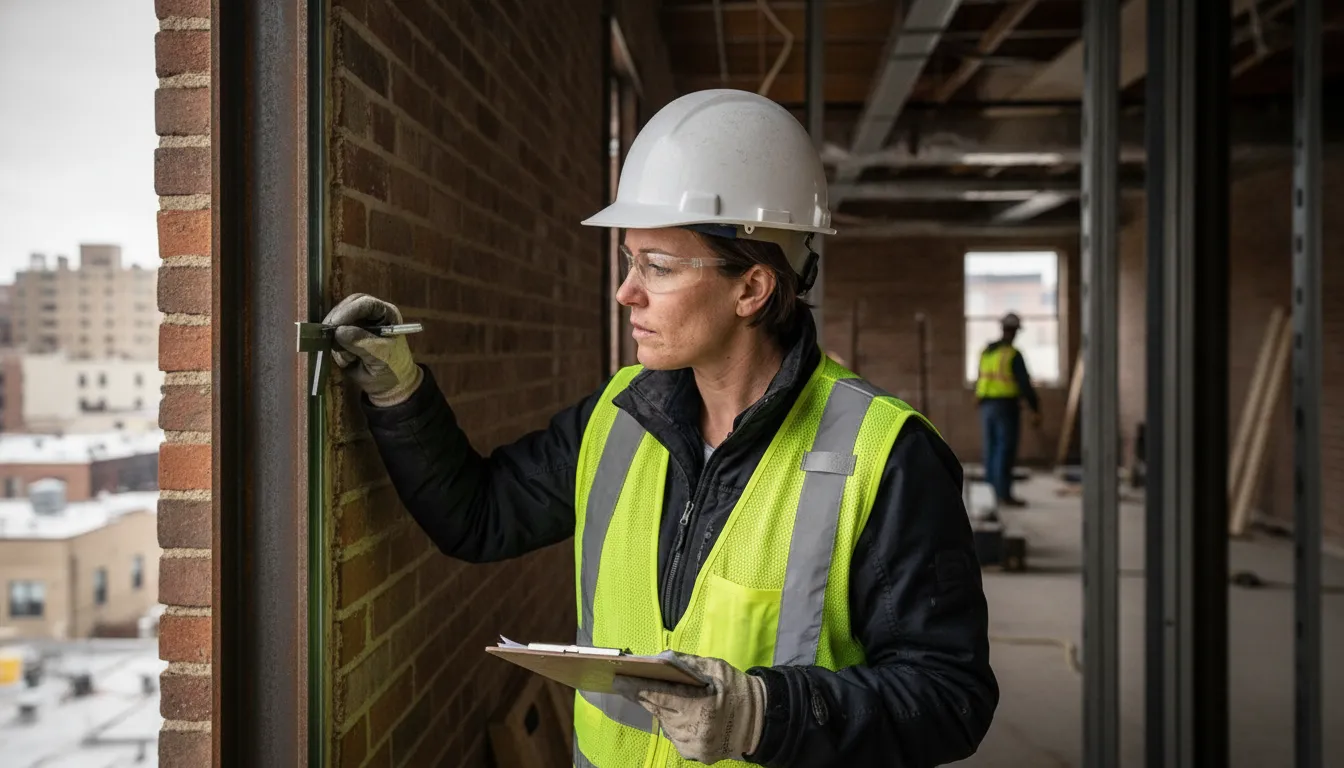
A failed or unsuccessful special inspection is a documented compliance issue, not necessarily a project-wide failure. The next step is to understand exactly what the inspector found. Then identify the work or evidence that must be addressed and coordinate the response before treating the item as closed.
Contact EZTR1 about a special-inspection follow-up and coordinate the next step for your NYC project.
In general, what happens after a failed special inspection NYC depends on the inspection type, approved construction documents, and current NYC Department of Buildings requirements. The project team should obtain the written findings, coordinate corrective work with the responsible contractor and design professional, arrange any required follow-up inspection, and confirm the documentation needed for sign-off.
NYC special inspections verify selected materials, equipment, installation, fabrication, erection, or placement against approved plans and specifications, while progress inspections are a separate requirement. That distinction helps the owner, general contractor, and design professionals determine what the finding means and how to respond.
What Does a Failed Special Inspection Mean in NYC?
An unsuccessful special-inspection finding usually means the inspector documented a nonconformance, missing evidence, or work that could not be verified against the approved construction documents. It does not automatically mean that the entire project has failed or that every construction activity must stop. The meaning depends on the inspection type, the affected work, the approved documents, and current NYC Department of Buildings requirements.
NYC special inspections address selected materials, equipment, installation, fabrication, erection, or placement of components and connections. Their purpose is to verify that the relevant work follows approved plans, specifications, and applicable standards. A finding should therefore be read as a documented issue within that defined inspection scope, not as a general judgment about the whole building. NYC DOB explains the scope of special inspections.
The project team should start with the written findings. Identify the location, component, or evidence at issue, then compare it with the approved construction documents. Those documents may include plans, shop drawings, specifications, manufacturer instructions, and standards accepted by the design professional of record. The contractor and design professional can then coordinate the appropriate correction or clarification. Whether a follow-up inspection is needed depends on the inspection category and applicable requirements.
Special inspections are also different from progress inspections. NYC defines special inspections under Building Code Chapter 17, while progress inspections are addressed under Building Code Section 109 and the applicable rule. When required by code, a progress inspector may verify that special inspections occurred, but that role does not erase the distinction between the two processes. For background, review these NYC TR1 progress inspection requirements.
Takeaway: A failed special inspection is a documented issue within a defined inspection scope. The next step is to understand the written finding, coordinate correction with the responsible project professionals, and confirm the applicable follow-up requirements.
What Happens After a Failed Special Inspection in NYC?
An unsuccessful finding should be treated as a documented issue to investigate and resolve, not as an automatic project-wide failure. The immediate workflow depends on the inspection type, the approved construction documents, and applicable NYC Department of Buildings requirements.
- Obtain the written findings. Ask for the inspection report or written deficiency description, then identify the specific material, installation, location, or condition that did not meet the inspection criteria. Avoid relying on a verbal summary alone.
- Secure the condition when necessary. If the finding involves an unsafe condition, exposed work, active construction, or a risk of concealment, coordinate with the responsible project team before work continues in that area. The appropriate protective action depends on the circumstances and should not be assumed from a generic checklist.
- Notify the responsible parties. Share the findings with the owner or manager, general contractor, affected trade, and registered design professional as appropriate. The contractor typically coordinates physical corrective work, while the design professional helps determine whether the work matches the approved design or needs a documented design decision.
- Compare the condition with approved documents. Review the relevant plans, specifications, shop drawings, manufacturer instructions, and accepted standards. NYC rules define approved construction documents broadly, and the design professional of record identifies the special inspections required for the work. See the NYC special inspection rule for the governing documentation language.
- Record open items and the follow-up path. Create a deficiency log showing each issue, location, responsible party, corrective action, supporting evidence, and current status. Ask the inspection agency and project professionals whether a follow-up inspection is required, and confirm any documentation or sign-off steps that apply to this inspection category. Do not assume that a later passing observation resolves every separate filing or approval requirement.
Takeaway: The safest response is a documented coordination loop: understand the finding, correct the relevant work, and confirm the appropriate follow-up with the responsible project professionals. There is no universal deadline or single reinspection path for every NYC special inspection.
What Should a Project Team Document After a Failed Special Inspection NYC?
Start with a deficiency log that turns the inspector’s written finding into an actionable project record. Record the exact location, affected material or installation, observed condition, responsible trade, date identified, and the corrective action proposed. Add clear photographs, drawings, room or grid references, and related inspection notes so another project professional can understand the issue without relying on memory.
Compare the finding with the approved construction documents, not just with a general expectation of what the work should look like. NYC’s special-inspection rule recognizes that these documents may include plans, shop drawings, specifications, manufacturer instructions, and standards accepted by the design professional of record: approved construction documents. Identify the exact sheet, detail, specification, or accepted product information that controls the correction.
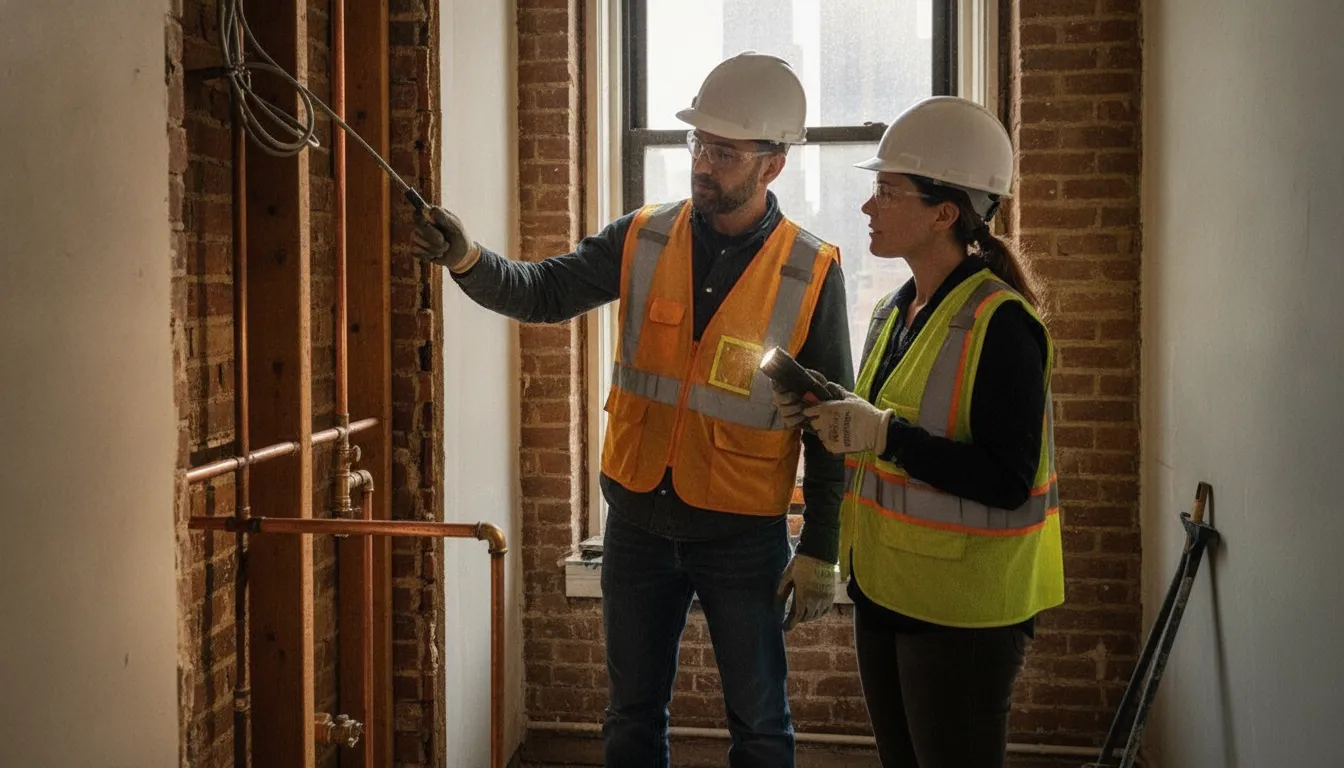
The contractor or responsible trade should update the log as work moves from open to corrected, while the owner or general contractor coordinates access and communication. If the correction affects design intent, materials, or an accepted detail, bring the design professional into the review before work proceeds. Keep the inspector’s finding, the response, supporting evidence, and follow-up status together. For context on how NYC records special inspections, review the TR1 form guide, then use this checklist to prepare for progress inspections.
Takeaway: A clear log helps the team distinguish completed corrective work from work that still requires professional review, documentation, or inspection.
Who Coordinates the Correction Before Reinspection?
After an unsuccessful finding, the owner or general contractor usually helps keep the response organized. Circulate the written deficiency, identify the affected location or work item, and coordinate the contractor responsible for making the correction. The exact sequence depends on the inspection type, approved construction documents, and current NYC Department of Buildings requirements.
The contractor addresses the physical work, but the correction should be checked against the documents governing the project. Those documents may include drawings, specifications, shop drawings, manufacturer instructions, and other standards accepted by the design professional of record. NYC’s special-inspection rule describes this broader document set, which is why a field change should not be treated as resolved solely because the work appears complete.
The registered design professional of record identifies the required special inspections under the Building Code. Depending on the issue, that professional may need to review the proposed correction, clarify the applicable detail, or determine whether additional project documentation is needed. This is a design and project-coordination function, distinct from the inspector’s role in evaluating the relevant work.
The inspector or special inspection agency then follows up when a new inspection is required or requested for that inspection category. A follow-up visit verifies the applicable work again; it does not automatically decide every filing, sign-off, or approval involving other project parties. For trade-specific context, review the NYC structural steel inspection requirements and TR1 mechanical systems inspections.
Takeaway: The owner or GC coordinates communication, the contractor performs the correction, the design professional addresses document or design questions, and the inspector verifies the relevant work when follow-up is required.
When Is a Reinspection Needed and What Does It Verify?
A reinspection is generally appropriate after the responsible team has addressed the documented deficiency or supplied the missing evidence, when the inspection type and project requirements call for the inspector to look again. Corrective work and reinspection are separate steps: the contractor performs or coordinates the correction, while the inspector verifies the relevant work against the applicable approved construction documents. Those documents may include plans, shop drawings, specifications, and accepted manufacturer instructions.
Typical roles after an unsuccessful special inspection
| Stage | Purpose | Who coordinates | Evidence to retain |
|---|---|---|---|
| Correction | Address the written deficiency or complete the affected work. | Contractor with the owner and design professional as applicable. | Updated plans or specifications, work records, photographs, and product information when relevant. |
| Reinspection | Verify the corrected condition or requested evidence within the inspection scope. | Owner, general contractor, filing representative, or other authorized project party, depending on the workflow. | Inspector findings, inspection request, supporting documents, and follow-up report. |
| Sign-off coordination | Confirm what records, filings, and other inspections remain before the item can be closed. | Owner, design professional, progress inspector, and other required project professionals. | Final inspection records and documentation required for the applicable DOB process. |
NYC DOB’s DOB NOW: Inspections Plus guidance allows inspection and reinspection requests for supported work types and provides a way to review objections and upload documents. The current FAQ states that only Electrical Development inspections are supported, so it should not be treated as the universal path for every special inspection. For a fire-alarm project, review the practical steps to schedule a fire alarm TR1 inspection and coordinate the applicable inspection records.
Takeaway: A reinspection verifies the corrected item within the relevant inspection scope; it does not, by itself, guarantee that every filing, sign-off, or project approval is complete.
How Do DOB Records and Sign-Off Fit Into the Follow-Up?
After corrective work is completed, the project team should bring the written findings, relevant photographs or location references, approved documents, and follow-up inspection result into one coordinated record. The comparison should be made against the documents that govern the work, which can include plans, specifications, shop drawings, manufacturer instructions, and standards accepted by the design professional of record. NYC’s special-inspection rule describes these documents as the basis for demonstrating compliance.
The inspector’s role is to evaluate the assigned inspection scope again when a follow-up inspection is required. The contractor addresses the physical correction, while the responsible design professional reviews design or document questions and the owner or general contractor coordinates access, sequencing, and communication. These roles can vary by inspection type, approved documents, and current DOB requirements, so the project team should not treat a later visit as a substitute for professional coordination.
Progress-inspection coordination may also matter. When required by code, a progress inspector verifies that required special inspections were performed and that the work has reached substantial completion. NYC distinguishes progress inspections from special inspections, and special inspections are additional to other inspections required by the code or Administrative Code. The relevant requirements should therefore be checked for the specific job, rather than assumed from a passing special-inspection result.
For company context and agency information, visit AKS Architectural and Engineering Services LLP. Keep the project record organized according to the applicable DOB submission and filing requirements, and confirm any remaining sign-off or approval steps with the appropriate project professionals.
Takeaway: A follow-up pass documents the result within the inspection scope. It does not automatically complete every filing, sign-off, or approval required for the project.
What Should a NYC Project Team Confirm Before Closing the Item?
An inspection item should remain open until the team can connect the written finding, the corrective work, and the required follow-up records. The exact closeout depends on the inspection type, approved construction documents, and current NYC Department of Buildings requirements.
- Written findings: Confirm that the inspector’s deficiency description identifies the affected work, location, or documentation issue clearly enough for the team to act. Keep the report with the project records.
- Corrective work: Verify with the owner or general contractor that the responsible trade addressed the finding. Do not treat an informal conversation or an unverified field change as completion.
- Approved documents: Ask the design professional to compare the correction with the approved plans, specifications, shop drawings, manufacturer instructions, and other accepted documents. NYC rules recognize these materials as part of the approved construction documentation when properly accepted. Review the applicable special-inspection rule when the document basis is unclear.
- Follow-up inspection: Confirm whether the inspection category requires the inspector to return, and what evidence must be available at that visit. A reinspection is not automatically required in every situation, and the available DOB workflow can vary by inspection type.
- Records and filings: Confirm with the responsible design professional, filing representative, and inspector what reports, sign-offs, or DOB submissions remain outstanding. A later satisfactory finding does not automatically complete separate filing or approval obligations.
- Closeout ownership: Assign one person to track the open item through documentation review and any required follow-up. If another inspection is needed, teams can review EZTR1 inspection services through the online service platform.
Takeaway: Close the item only when the finding, correction, approved-document review, follow-up inspection status, and required records are aligned. The project team should confirm the final requirements for its specific inspection category instead of relying on a universal checklist.
Contact EZTR1 to discuss a special-inspection follow-up and the documentation needed for your NYC project.
Frequently Asked Questions
What happens if a required NYC special inspection does not pass?
The inspector should identify the deficient, incomplete, or unsupported work in written findings. The owner or general contractor can then review those findings with the responsible trade and design professional, compare the work with the approved construction documents, and document the corrective plan. The exact next step depends on the inspection type, project documents, and current NYC Department of Buildings requirements. See the NYC DOB special inspections guidance.
Who is responsible for correcting a special-inspection deficiency?
The contractor or responsible trade generally performs the corrective work, while the owner or general contractor coordinates the project response. The design professional should review questions involving the approved plans, specifications, shop drawings, or other accepted documents. The inspector documents and evaluates the relevant inspection work, but should not be treated as the party making design or construction decisions.
Is a reinspection always required after corrective work?
Not every follow-up path is identical. Arrange any required follow-up inspection based on the inspection category, the written findings, the approved documents, and applicable DOB requirements. DOB NOW Inspections Plus supports inspection and reinspection requests for its supported work types, but its current FAQ limits that workflow to Electrical Development inspections, so it should not be assumed to cover every special inspection: DOB NOW Inspections Plus FAQ.
Does a passing reinspection automatically close the project item?
No. A passing follow-up result addresses the inspected work, but it may not complete every filing, progress-inspection, sign-off, or approval requirement. The project team should confirm the required records and next actions with the appropriate design professional, inspector, filing representative, and DOB process for that job. NYC Building Code Chapter 17 also describes special inspections as additional to other required inspections: Chapter 17.
Get Started With the Next Inspection Step
Clear written findings and coordinated corrective work can help your project team prepare the right records before a follow-up inspection. Keeping the inspection scope, correction status, and supporting documents organized gives each party a clear basis for follow-up. When your NYC project needs a special-inspection follow-up, contact EZTR1 to discuss the inspection scope, documentation, and next step with the project team.
Leave a Reply