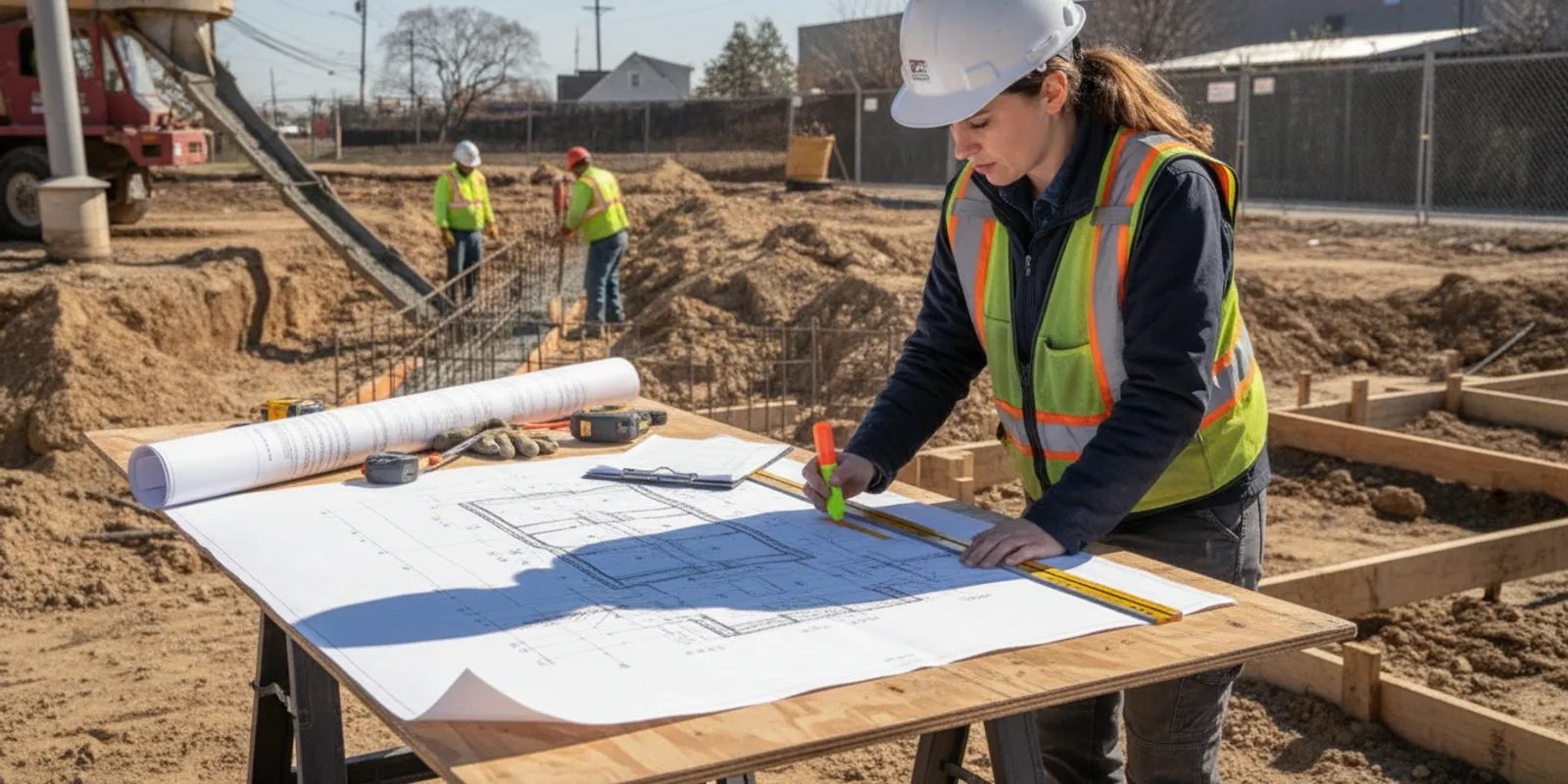
When a project schedule contains both foundation work and energy-code milestones, the question may be which NYC TR5 vs TR8 inspection conversation belongs first. The labels point to different scopes: TR5 is associated with deep-foundation work such as pile-related activity, while TR8 concerns energy-code inspection items. Neither label automatically substitutes for the other. Start by connecting the schedule entry to the actual work, its project documents, and the next field milestone.
What does each inspection label point to?
For coordination, treat TR5 and TR8 as separate routes through a project’s inspection plan. A TR5 question generally starts with deep-foundation activity, including pile-related work. A TR8 question starts with a specific energy-code item named in the applicable project information. The shorthand alone does not establish the full scope, the required stage, or whether a particular visit is due.
That distinction matters when a schedule contains several abbreviated entries. A line marked “TR5” might be associated with a foundation operation approaching a milestone. A TR8 entry might refer to one energy item, rather than every energy feature in the building. Check the approved documents and ask the responsible project professional to identify the governing item. Do not infer a technical requirement from a calendar label or a product name.
A project can involve both types of coordination. They may occur in different phases, or their planning windows may overlap. If both appear on the look-ahead schedule, keep two scope questions and two evidence sets, even if one coordinator is tracking them. The goal is not to choose one inspection label for the whole project; it is to route each task correctly.
| Planning point | TR5 foundation-related scope | TR8 energy-code scope |
|---|---|---|
| What is being discussed? | Deep-foundation work, including pile-related activity where applicable | A particular energy-code inspection item identified by project documents |
| What should trigger review? | An approaching foundation work stage or related project milestone | A specific energy item nearing the documented review or test stage |
| What information helps? | Work location, sequence, current status, applicable drawings, and available installation or test records | Item name, location, applicable energy documents, installation or test status, and related evidence |
| Who confirms the actual requirement? | The project team and responsible design professional, using project documents | The project team and responsible design professional, using project documents |
How should a team decide which question comes first?
Start with the next work activity, not with which label appears first in a folder. Review the near-term schedule and find what is about to be installed, tested, covered, or otherwise harder to verify. Then compare that work with the applicable inspection list, drawings, and project milestones. The immediate coordination priority is the item with a real upcoming readiness or access constraint.
- Identify the field activity. Write down what the crew will do, where it will happen, and the expected date. “Foundation work” or “energy inspection” is too broad to route a question well.
- Find the document reference. Match the activity to the applicable drawing, schedule, specification, inspection plan, or form. Record the reference and revision if available.
- Check the sequence. Note what must happen before the work is ready and what will follow. If another operation will conceal or block the item, mark that dependency.
- Confirm readiness conditions. Ask whether access, visibility, responsible site staff, and relevant records will be available at the proposed time.
- Route the question by scope. Keep the foundation discussion separate from the energy-code discussion. If the project team is uncertain, describe the underlying work instead of asking someone to interpret an unexplained label.
- Close the loop. Record who owns the next action, what remains open, and when the schedule or evidence will be updated.
For example, suppose a foundation operation is scheduled to advance early next week, while an energy-related component is still awaiting installation later in the month. The first question is not automatically “TR5 because it is first on the schedule.” It is whether the foundation milestone needs coordination before the operation proceeds and what stage or documentation the project requires. The energy item remains a separate upcoming task, with its own readiness check and records.
Now consider the reverse: foundation work is complete for the current phase, but a specified energy item is ready for review before finishing work makes it difficult to see. The energy item may deserve the next coordination conversation. The comparison is about project sequence and readiness—not a universal rule that one form number always comes before another.
What should be gathered for a TR5 foundation conversation?
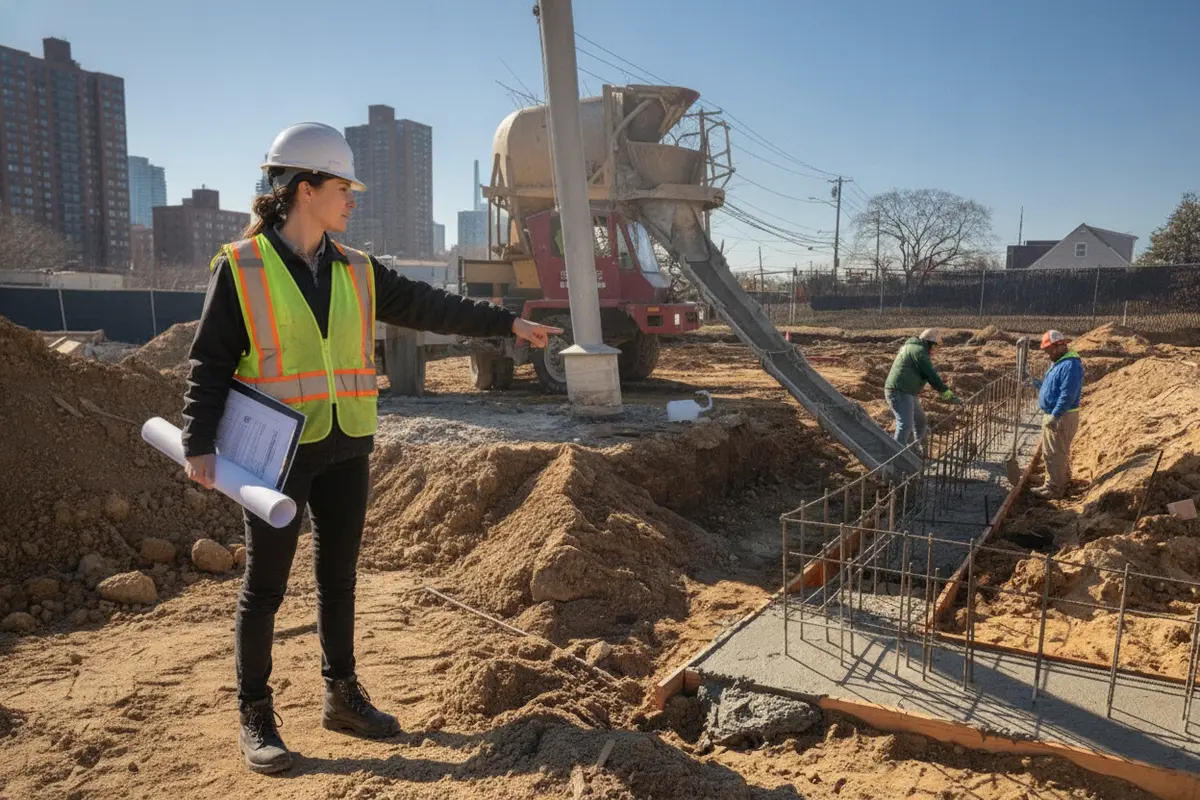
Prepare a short description of the foundation activity and its current stage. Identify the work area, the anticipated milestone date, the expected access route, and what will be visible. Foundation operations can change as site conditions and sequencing change. Be precise about whether the work is planned, underway, completed, or delayed. If the relevant stage has already passed, say so and ask the project team how to address the situation under the applicable documents rather than presenting the work as still available to observe.
Depending on the project and the question, useful material may include:
- Foundation drawings or details, with the work location clearly marked.
- A near-term sequence showing the operation that is approaching and the work that follows it.
- Available installation logs, delivery records, test information, or other evidence called for by the project scope.
- A field note identifying current conditions, access constraints, and any change from the planned sequence.
- The contact for the site coordinator and the person who can explain the foundation operation.
- Entry instructions, escort arrangements, and relevant site-safety details for access to the area.
- A list of unresolved questions, deviations, or design clarifications, with the person responsible for each.
Do not send an undifferentiated folder and expect the recipient to guess which record belongs to which work. A useful index can be simple: document name, drawing or detail reference, area, date, and the question the record helps answer. If a log covers multiple locations, mark the applicable entry. If a photograph helps explain access or status, label its location and date.
Before asking for coordination, compare the documents with what is actually on site. If a plan shows one location but the crew has moved to another, flag the discrepancy. If the work is ready only during a limited window, include that fact in the request. The purpose of preparation is to make the stage and question understandable, not to claim that any particular checklist replaces project-specific direction.
What should be gathered for a TR8 energy-code conversation?
For an energy-code issue, identify the exact item first. “TR8” on its own may not tell the project team whether the question relates to lighting, equipment, the envelope, or another item. Name the component or system, give its floor, room, or other location, and point to the applicable project document. Then describe what is installed, what remains incomplete, and what evidence is available.
Depending on the item and project requirements, a focused package may include:
- The relevant energy drawings, schedules, specifications, or inspection list.
- A short item register showing the item, location, status, and document reference.
- Installation records, test results, or other documentation identified in the project scope.
- Field photographs or notes when they clarify location, access, or installation status.
- The planned date when the item is expected to be ready and any work that could conceal or obstruct it.
- The name of the design or construction contact who can resolve questions about the project requirement.
A small example shows why specificity helps. Instead of sending “TR8 ready,” identify the named item, the area where it is installed, the drawing or schedule reference, whether required testing is complete, and any remaining work. If several similar items appear in different rooms or on multiple floors, list them separately. This makes it easier to tell whether the request concerns one location or a larger group.
Keep each record traceable to the item it supports. A folder containing unrelated energy schedules, photos, and test reports may obscure the one piece of evidence needed for a particular question. A brief index is often clearer: item; location; document reference; completion status; record provided; open issue. If the item is not ready, state the missing step and give a realistic update point rather than calling it complete.
How do timing and field readiness differ?
Timing follows the construction sequence and the requirements that apply to the project. A foundation-related question is often tied to a particular operation or stage of deep-foundation work. An energy-code question is tied to the readiness of an identified energy item or system. The labels do not supply a universal lead time or tell every project when to schedule. Confirm the applicable stage through the project documents and responsible project professionals.
For either scope, raise the question before the desired date when possible. Share enough information for the coordinator to check the scope, access, and readiness, and note any dependency that could move the date. A tentative calendar entry is not proof that the work is ready. When the sequence changes, promptly update the people coordinating the item so that the plan reflects the current field condition.
Readiness is more than having materials on site. Ask four practical questions: Is the correct area accessible? Can the relevant work be seen or tested in the required way? Are the documents and records available? Will someone familiar with the work be present to answer questions? A “no” does not necessarily settle what the project must do, but it identifies a coordination gap to resolve before treating the work as ready.
Where work may soon be concealed, identify the constraint early and confirm the required sequence with the project team. Where an energy item remains incomplete, describe what is missing. This clear status is more helpful than a request that implies completion and leads to a rescheduled visit. Keep an updated date and owner against every open task.
How can teams keep the two workstreams distinct?
Use separate rows, folders, or work-package identifiers for foundation and energy tasks. A shared project dashboard is fine; merging the evidence or descriptions is not. Separate tracking helps the team see which drawing, location, responsible person, and milestone belongs to which question.
| Tracker field | Foundation / TR5 record | Energy / TR8 record |
|---|---|---|
| Scope reference | Foundation drawing, detail, or applicable project reference | Energy drawing, schedule, item list, or applicable project reference |
| Location and status | Work area and current construction stage | Item or system location and installation or testing status |
| Readiness date | Expected date the relevant foundation stage is accessible | Expected date the specific energy item is ready |
| Evidence owner | Person maintaining or supplying applicable foundation records | Person maintaining or supplying applicable energy records |
| Open issue | Question about foundation scope, sequence, records, or access | Question about the energy item, documentation, testing, or access |
| Next action | Named person and date to confirm or update the foundation task | Named person and date to confirm or update the energy task |
For a realistic tracker, use a separate entry for each location or stage that can become ready independently. If a foundation operation is broken into areas, record the area and expected sequence rather than one broad project-wide date. If the energy item appears on several floors, note which floors are complete and which are not. This prevents an update for one area from being mistaken for a statement about the entire project.
When a change crosses scopes, record the relationship without merging the technical decisions. A project change may affect more than one drawing or schedule, but each inspection question still needs the appropriate reference and responsible reviewer. Keep the change date, the documents affected, and the person who confirmed the next step. If the effect is not yet clear, mark it as unresolved instead of silently reusing the old status.
What coordination problems can cause avoidable delays?
- A label without a work description. “TR5” or “TR8” alone may omit the location, item, stage, and specific question.
- Booking around an assumed date. A date in a schedule does not confirm access, installation, testing, or document readiness.
- Waiting until a constraint is immediate. Work may advance or become difficult to observe before the team clarifies the required coordination.
- Sending mixed evidence. Foundation records and energy schedules should be identified and tied to their respective work items.
- Assuming one visit covers both scopes. The scopes are distinct. Confirm any proposed combined coordination directly rather than inferring it from a shared site or date.
- Leaving the decision-maker out. A site contact who cannot explain the work or route a technical question may not be able to close the loop.
- Failing to report a change. A revised sequence, access limitation, or incomplete installation can make an earlier plan inaccurate.
- Using a broad project folder as the request. A small, indexed set of relevant records is easier to understand than a large bundle with no explanation.
When a requirement is uncertain, do not settle it from a shorthand label or a general article. Check the approved project documents and current information from the relevant authority. The NYC Department of Buildings provides city building and construction oversight information; the project team should use its governing documents to identify the obligations that apply to the specific work.
Where can a project team find the right service route?
Once the scope is clear, use a route that matches the work. The TR5 pile-driving category is a starting point for the foundation-related service path. For an energy-related item, review the TR8 energy inspections category. The broader special inspections category can help a project team explore other inspection areas, but it does not replace confirming the particular project requirement.
For service and company context, see information about the agency or browse the inspection service catalog. To ask a focused question, send the project location, exact work or energy item, expected milestone, document reference, and current readiness status through the contact page. That gives the conversation a usable starting point rather than a request for an unspecified inspection.
Frequently Asked Questions
Does TR5 come before TR8?
There is no universal order based on the labels alone. Coordinate the milestone tied to work that is approaching its applicable stage, using the project documents and actual construction sequence to decide what needs attention first.
Can one inspection request cover both scopes?
Do not assume it can. TR5 and TR8 relate to different kinds of work. Describe each scope separately and ask the relevant project contact or agency whether any coordination can be combined for the specific project.
What if the schedule lists TR5 or TR8 but the work is unclear?
Ask the project team to identify the underlying work item, location, drawing or schedule reference, and readiness condition. A shorthand label by itself is not enough to verify the project requirement or prepare a useful field conversation.
What should I send when asking for help?
Provide the project location, exact work or energy item, expected milestone date, relevant document reference, and a short status note. Include records that relate to the question, and identify any access constraint or unresolved point.
Send your project scope for review
Separating the foundation and energy questions helps the team organize relevant records, communicate field readiness, and direct each request toward the appropriate inspection path.
Leave a Reply